

 Rolex
Rolex TUDOR
TUDOR Silverware

Search with a keyword.


Fine Silverware
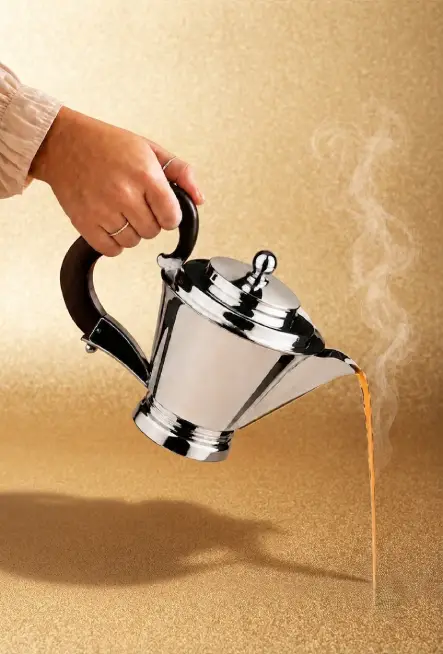
COOKE & KELVEY is not just a name, but a hallmark in silverware displaying the highest level of craftsmanship and design. Each piece at COOKE & KELVEY is passed down through generations to become family heirlooms.
Collections
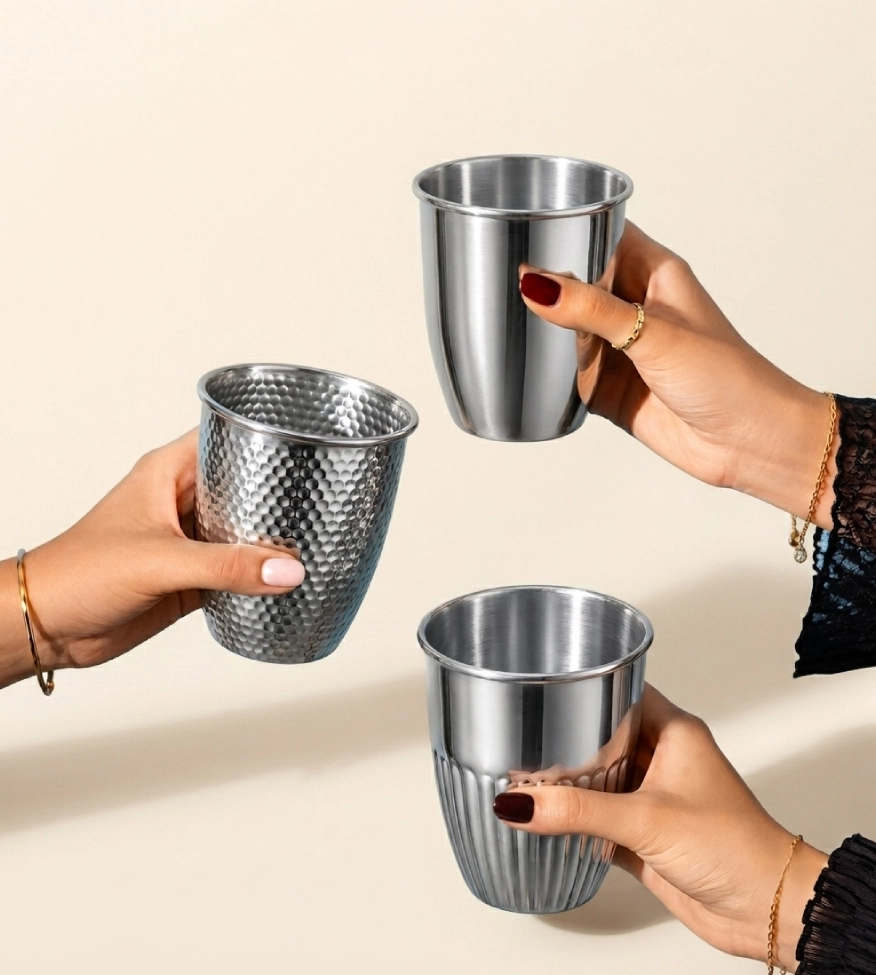
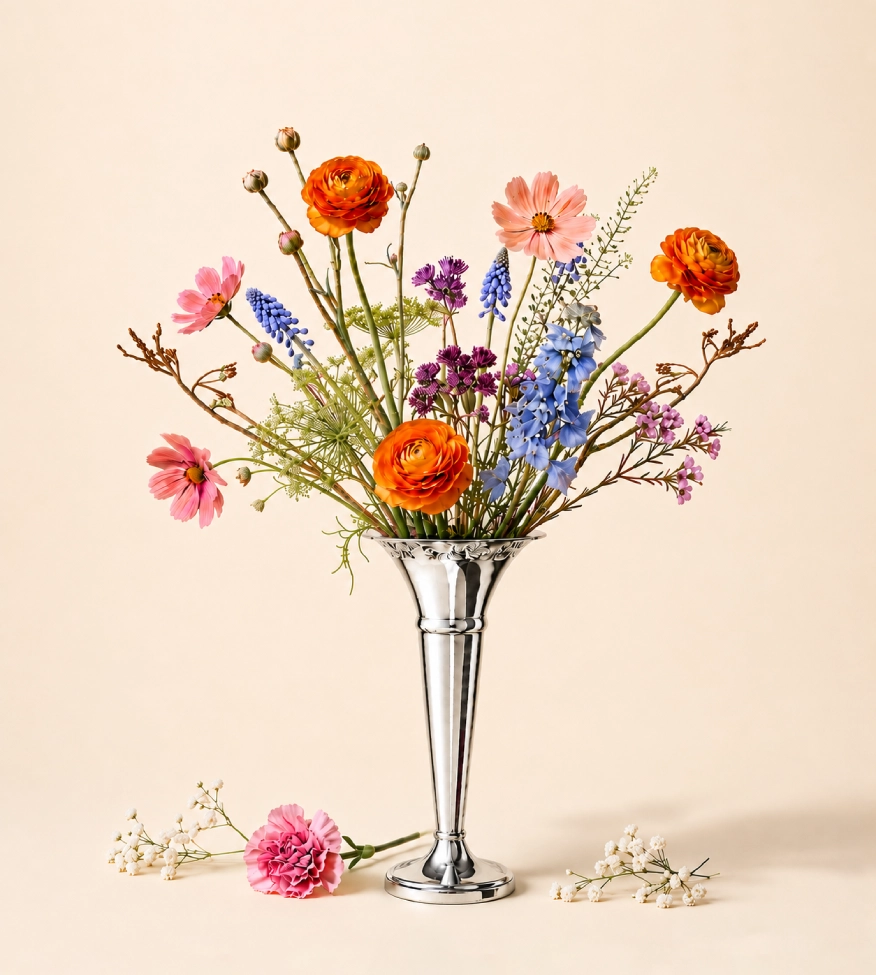
Fine Silverware Collections
Each piece at COOKE & KELVEY is a hallmark in silverware displaying the highest level of craftsmanship and design.
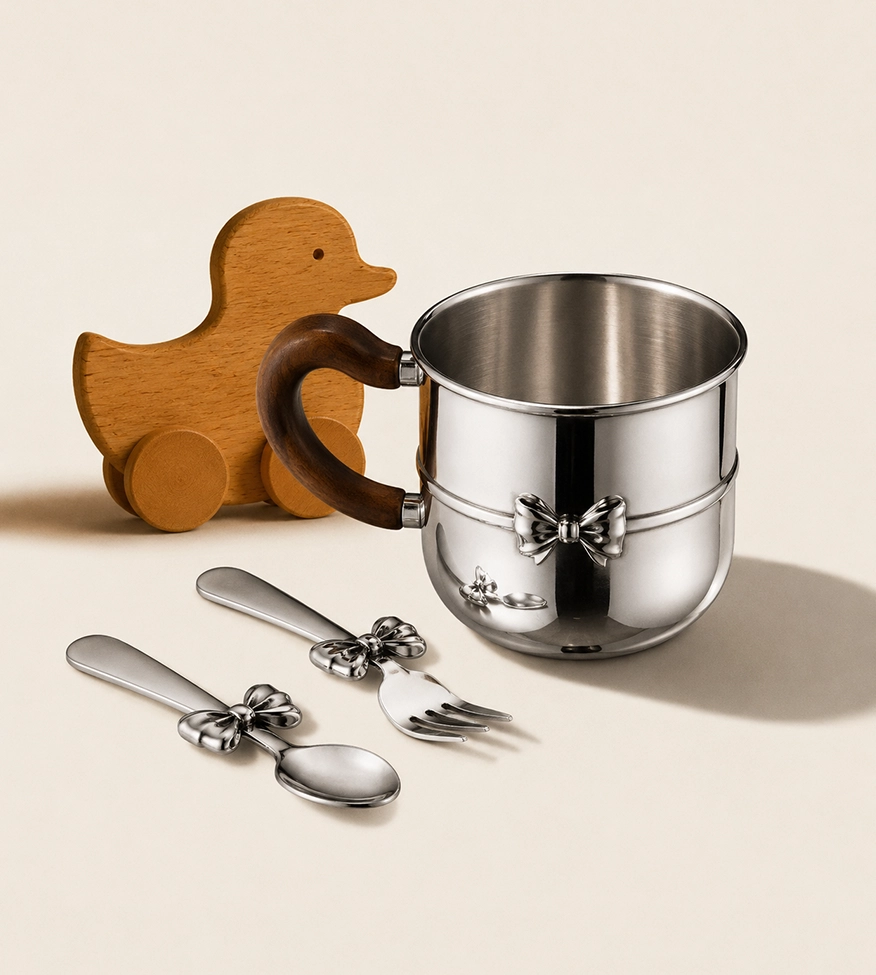
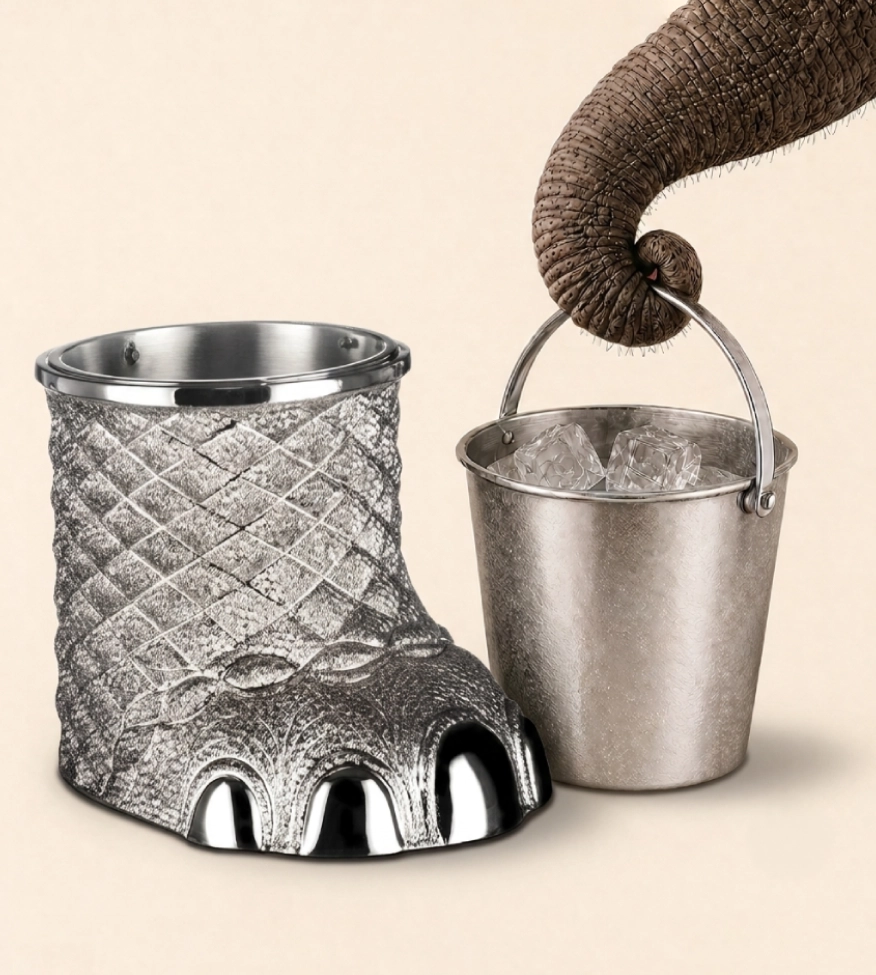
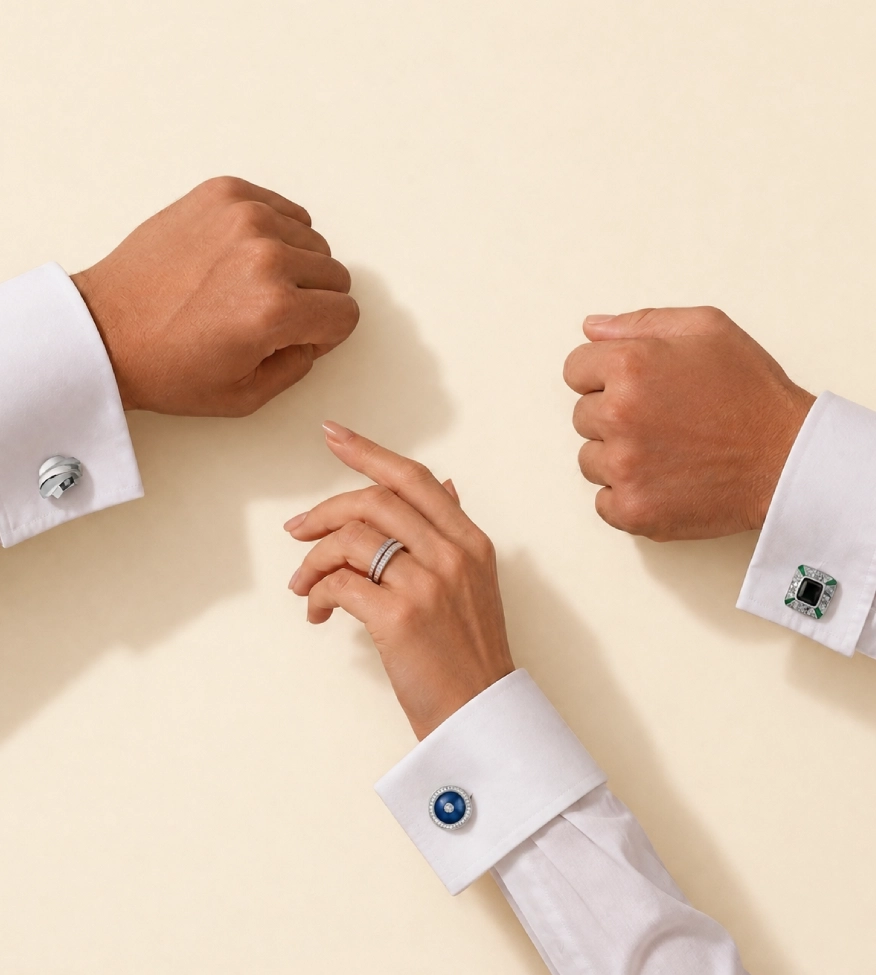
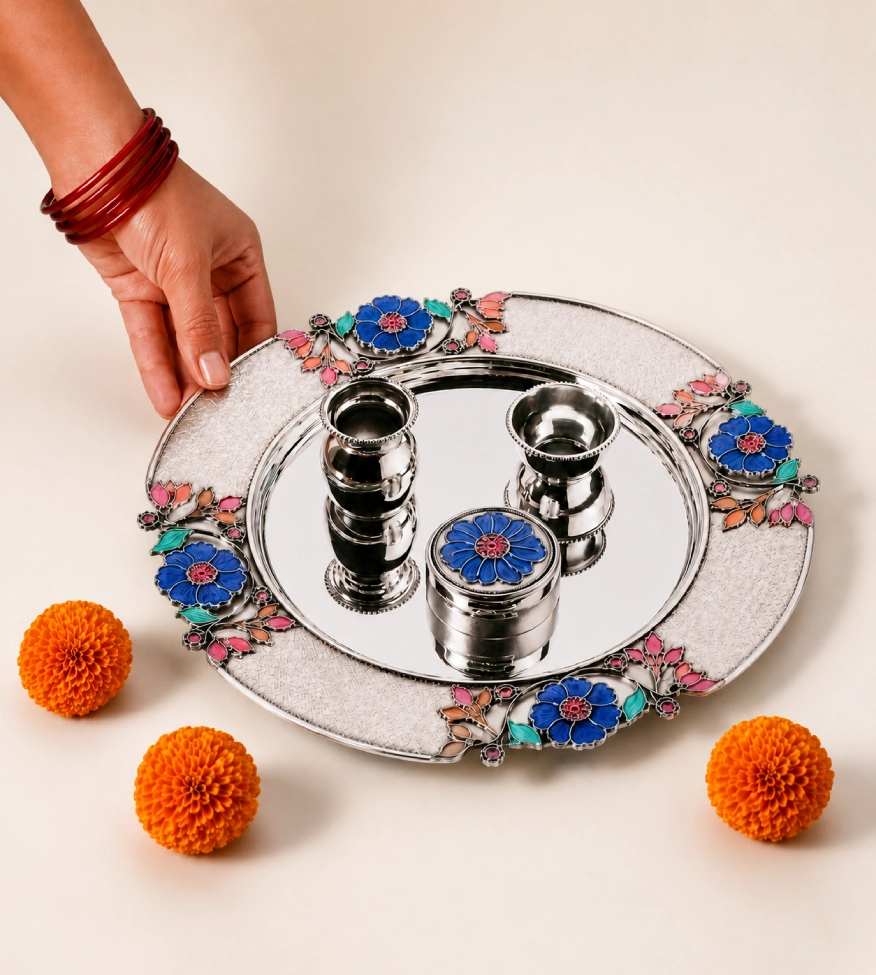
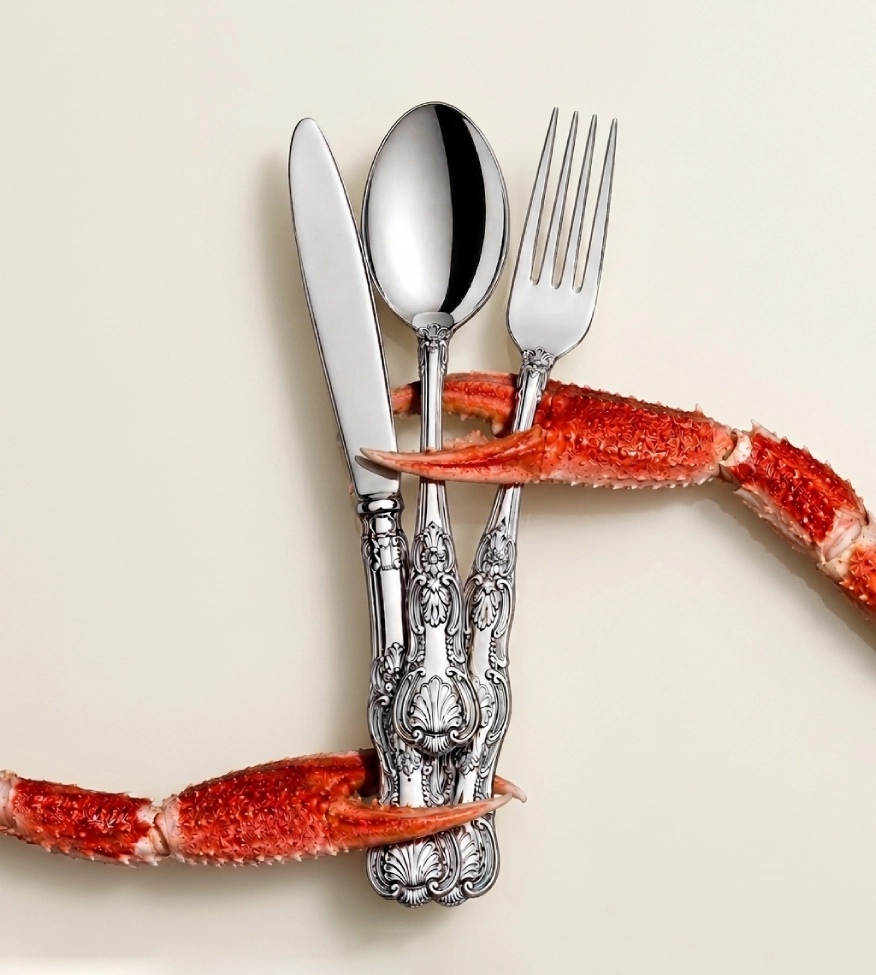
Silwareware
Gifting Ideas
Each piece at COOKE & KELVEY is a hallmark in silverware displaying the highest level of craftsmanship and design.

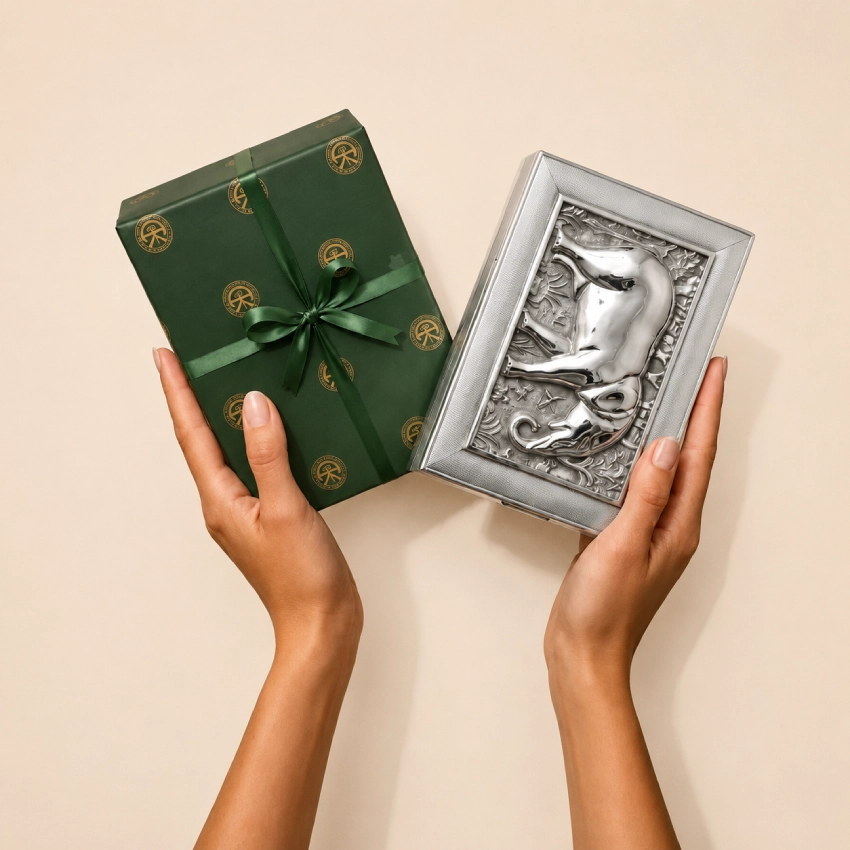
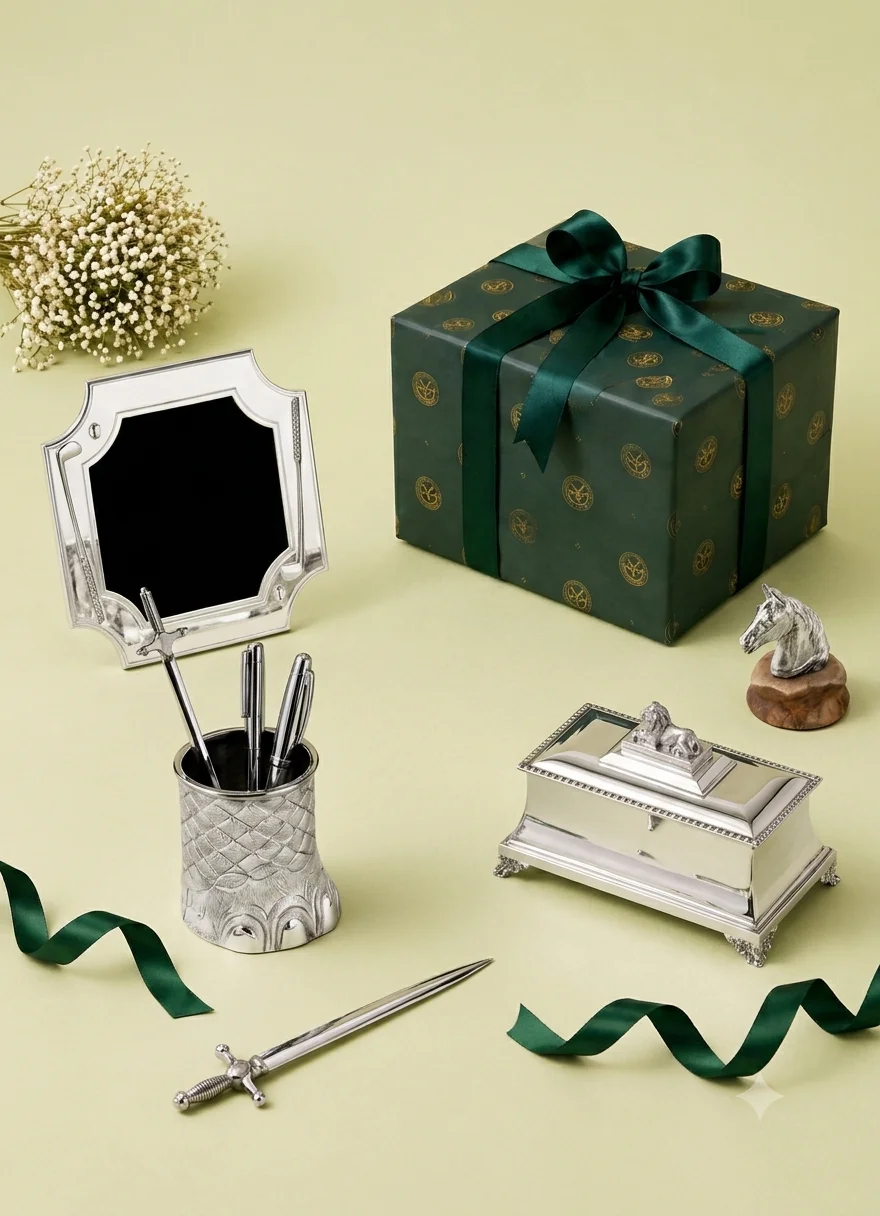
Corporate Gifting
We curate gifts that are inspired by nature and handcrafted by our in-house artisans, to suit your requirements.
Enquire Now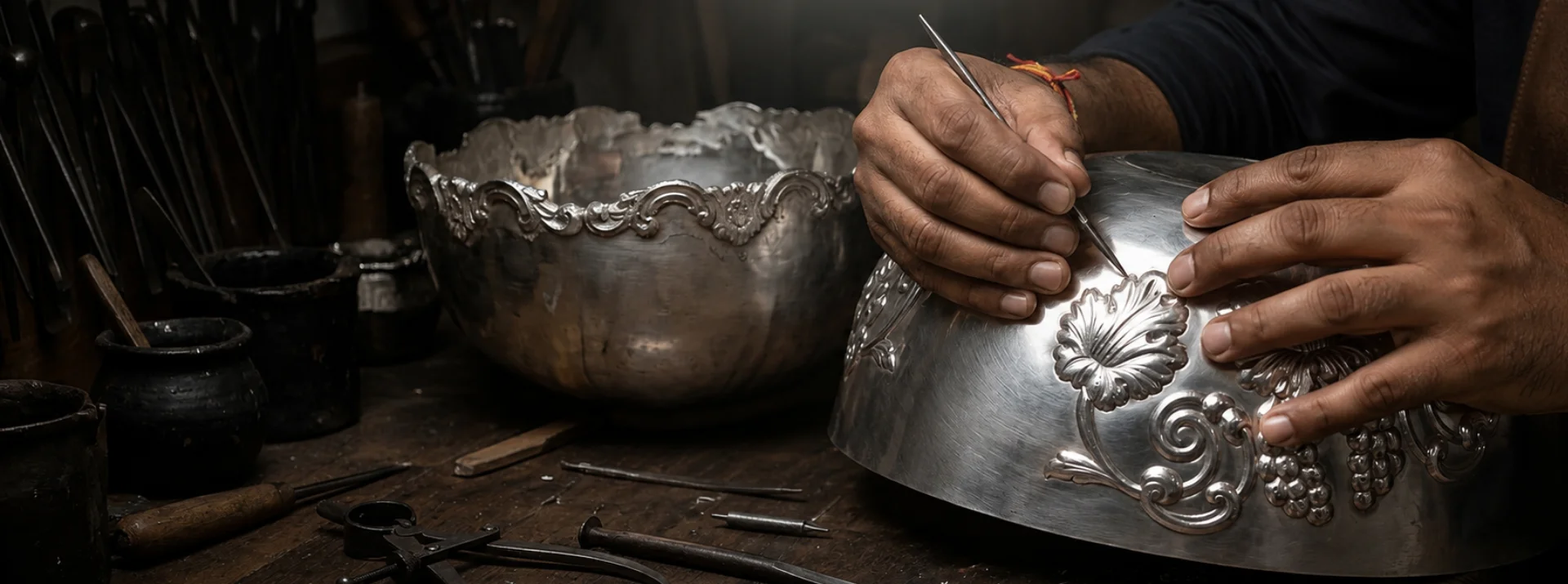
Supporting Community Of Local Artists
Cooke & kelvey carries the 160 year old legacy of silversmiths that produce ethically handcrafted products.

The Heritage
A Legacy of Timeless Craftsmanship
For generations, Cooke & Kelvey has celebrated the art of fine silverware through exceptional craftsmanship, intricate detailing, and timeless elegance that reflects true heritage and luxury.
Contact UsCooke & Kelvey World
Blog and Latest Trends
Get an inside perspective on the world of Cooke & Kelvey and discover a curated selection of the latest trends for jewellery and watch lovers

Luxury of high-tea experience, its tradition & essentials
LUXURY OF HIGH-TEA EXPERIENCE, ITS TRADITION & ESSENTIALS Breakfast Set| Cooke & Kelvey Tea is not just a drink, it’s...

Brief history of silverware
BRIEF HISTORY OF SILVERWARE A metal of antiquity and versatility, silver has grown and evolved radically overtime. It is its...
FREQUENTLY ASKED QUESTIONS
Silverware FAQs
Wedding, Silver anniversaries (25 years) traditionally call for silver gifts. Beyond that, sterling silver is equally at home for christenings, milestone birthdays, graduations, retirements, and corporate gifting. Silver baby gifts — a keepsake cup or spoon — are a timeless classic for newborns.
Top choices include sterling silver picture frames, jewellery (bangles, cufflinks, chains), engraved silverware sets, baby keepsakes (cups, spoons, rattles), business card holders, hip flasks, candlesticks, and handcrafted silver bowls. For a more personal touch, bespoke engraved pieces from silversmiths are considered the pinnacle of luxury gifting.
Yes — engraving is one of the most valued features of a silver gift. Names, initials, dates, crests, or short dedications can be hand-engraved or machine-engraved onto most flat or curved surfaces. Many luxury retailers and silversmiths offer this service. Hand engraving carries more prestige and depth; machine engraving is more uniform and affordable.
Traditional silverware is made of sterling silver, an alloy of 92.5% silver and 7.5% other metals (usually copper) for durability. Modern 'silverware' is often silver-plated stainless steel — a base metal coated with a thin layer of silver — or simply stainless steel with no silver content at all.
Sterling silver is solid throughout (92.5% pure silver) and carries a hallmark stamp like '925' or 'Sterling'. Silver-plated pieces have a base metal (brass, copper, or nickel) coated with a thin layer of silver. Sterling silver is more valuable, tarnishes more slowly, and can be polished many times. Silver plate can wear through with heavy use.
For light tarnish, wash with warm soapy water and dry immediately. For heavier tarnish, use a silver polishing cloth or a paste of baking soda and water applied with a soft cloth, then rinse and dry thoroughly. Avoid abrasive scrubbers. For silver-plated pieces, polish less aggressively to avoid wearing through the coating.
Tarnish forms when silver reacts with sulfur compounds in the air (from food, rubber, wool, or air pollution), creating silver sulfide — the dark grey-black layer you see. Humidity accelerates this. Storing silverware in anti-tarnish cloth or sealed bags, away from rubber bands or latex, significantly slows tarnishing.
Sterling silver should be hand-washed — dishwashers can cause pitting, discoloration, and damage from harsh detergents and heat. Silver-plated pieces are even more vulnerable as the coating can wear off. Stainless steel flatware is generally dishwasher-safe, though hand-drying prevents water spots.
Wrap pieces individually in anti-tarnish flannel or store in a silverware chest lined with Pacific Silvercloth. Avoid storing silver in plastic bags (which can trap moisture) or near rubber (which accelerates tarnish). Placing chalk or silica gel packets nearby absorbs moisture and helps prevent oxidation.
Yes — silverware is food-safe. In fact, silver has natural antimicrobial properties that inhibit bacterial growth. There is no health risk from eating with sterling silver or silver-plated flatware. Stainless steel flatware is equally safe and is the most common material used today.
Sterling silver is an alloy containing 92.5% pure silver and 7.5% other metals, usually copper. The addition of copper gives it the strength needed for practical use, since pure silver is too soft on its own.
Fine silver (99.9% pure) is extremely soft and malleable. It scratches, bends, and dents very easily with everyday wear. Sterling silver's copper content makes it harder and more durable for rings, bracelets, and cutlery.
DISCOVER COOKE & KELVEY
Your destination for curated luxury watches and exquisite silverware.
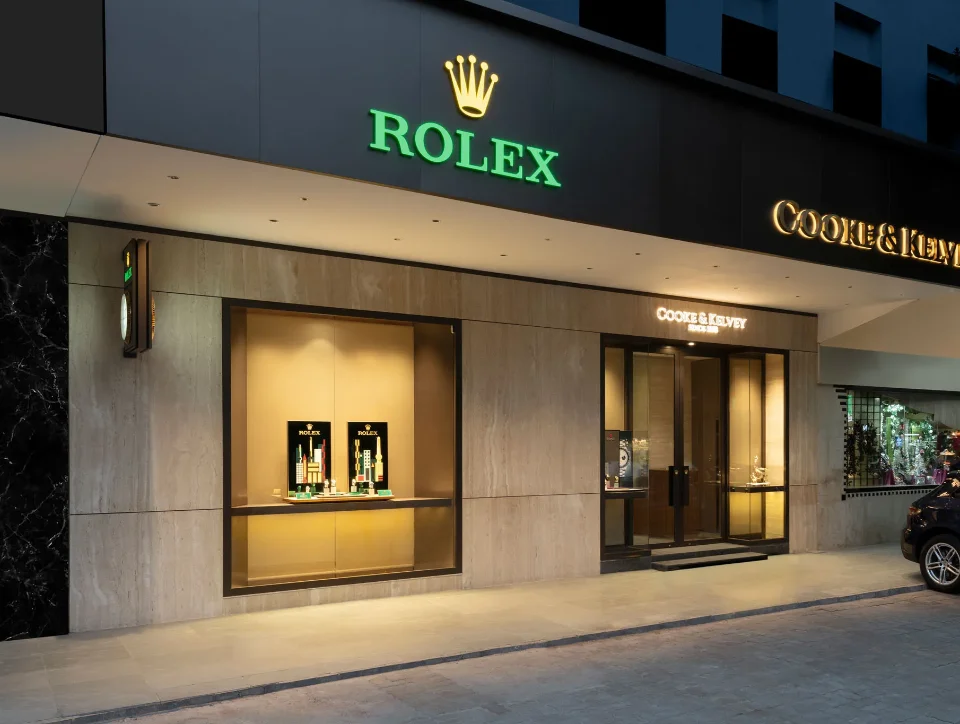
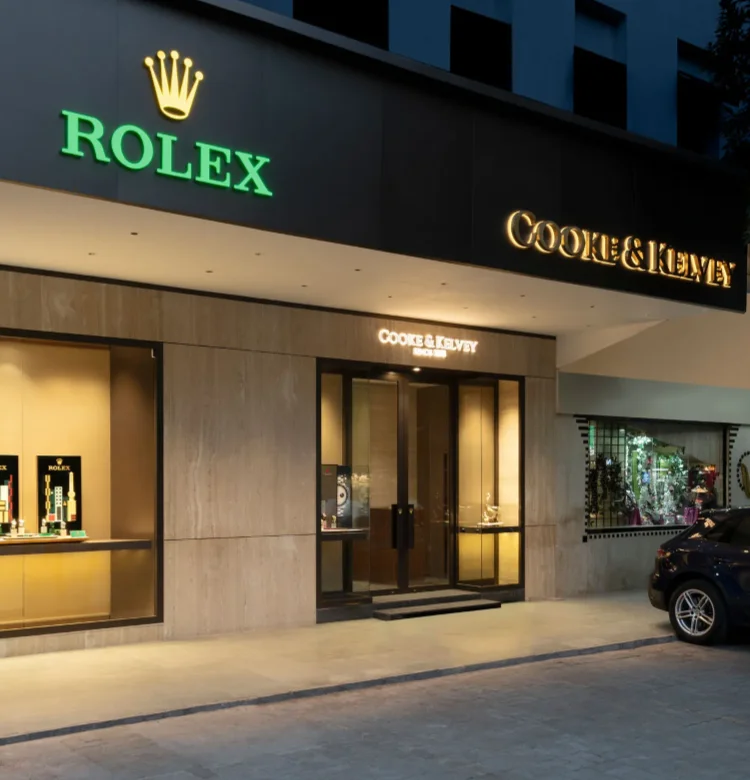
Visit our exclusive stores in
 Chat with us on WhatsApp
 Speak to Our Team
 Send us an Email
 Schedule an Appointment